Two Words I Hate: Call Me
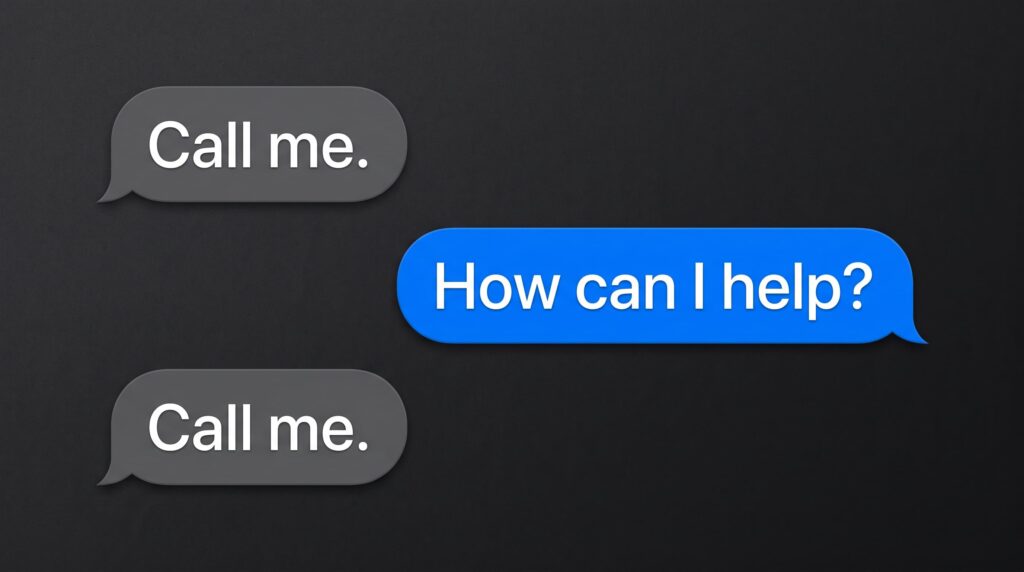
I hate phone calls. I genuinely cannot stand them.
One of the fastest ways to annoy me is to send a message that simply says: “Call me”
No explanation of what you want, no indication of how important it is, and no way for me to know whether this actually requires a conversation. Now I’m supposed to interrupt whatever I’m doing just to find out what you could have told me in the original message.
I’m not against conversation. Brainstorming, complicated decisions, and urgent matters often deserve a phone call. But if you need information from me, or need me to do something, why not just tell me?
The Problem with Phone Calls
Calls have a basic flaw: unless somebody records the conversation or takes notes, the details exist only in two people’s memories.
I’ve had people insist I said things I never said or remember agreements differently than I did. Without a written record, there’s no reliable way to settle it. Email doesn’t have that problem. The request, the response, and the agreement are all right there – whether you revisit them tomorrow or three years from now.
I don’t buy the argument that a phone call is ‘always faster’. It might be faster for the person initiating the call, but that doesn’t necessarily make it more efficient for everyone involved. A five-minute conversation can create fifteen minutes of follow-up just to document what happened.
Six Years. Never Met.
For six years, I worked closely with the founding attorney of a national personal injury law firm. We handled important and time-sensitive work together. We never met in person. Not once.
Most of our communication happened through email and text. We got on the phone when a conversation genuinely made sense.
A few weeks into our relationship, he told me the most responsive person he worked with was somebody he’d never even met.
That stuck with me. Being responsive isn’t about how often you talk. It’s about understanding what someone needs and following through. And when most of the work happens in writing, neither person has to reconstruct an old conversation from memory.
So I Built an AI That Makes Calls
Unfortunately, the rest of the world doesn’t always cooperate.
Try canceling a membership, rescheduling an appointment, or getting an answer from a business that ignores email. Too often, you’re forced onto the phone. Then come the automated menus, hold music, transfers, and repeated explanations. When it’s finally over, you may still have nothing in writing.
I build software to solve problems, so I built Call Automator.
You tell it what you need, review and approve the instructions – then the AI makes the call. It handles phone menus, hold times, and even callbacks. Once it’s done – you get the result in writing with a summary and available transcript details.
You Can Still Call Me
I realize some people would rather talk, and I don’t expect clients to change their preferences for mine.
That’s why I built Marcus, my AI assistant that answers the number on my personal page.
Existing clients can call, explain what they need, and sometimes get an answer immediately. Marcus can recognize them, provide relevant updates, collect details, and pass along anything that actually needs my attention.
That isn’t avoiding communication. It’s letting people communicate however they prefer without turning every routine request into an interruption.
So if you need something from me, send a text or email explaining what it is. If a call is the best way to handle it, we’ll get on the phone. I just want the call to have a purpose.
If This Had Been a Phone Call…
This article is an example of my theory. I wrote a rough draft, edited, re-edited, and finally the final article was published. If this article was a phone call, it might have come out as: “I fucking hate phone calls. Just tell me what the fuck you want.” instead of this well thought out article you just read.
I think that tells you everything you need to know about how much I hate phone calls.